
Cutting Energy Costs by 70% Through a Design-Led Solar & Battery Upgrade.
A high-demand commercial kitchen with constant electrical loads required a reliable, cost-effective energy strategy. Through a phased solar and battery upgrade, we significantly reduced grid dependency while improving resilience and long-term operational efficiency.
Project Overview:
Tasty Grub Club operates a busy ready-meal production kitchen with large, steady electrical loads. Ovens, blast chillers, walk-in refrigeration, extraction systems and prep equipment run most days, making energy costs a critical factor in a tight-margin food business.
With rising electricity prices putting pressure on operating costs, the goal was to reduce grid import, improve cost certainty, and protect critical refrigeration systems from power disruption — without compromising day-to-day operations.
Background:
- Sector: Commercial food production
- Location: Northern Ireland
- System Type: Solar PV, Battery Storage & Backup
- Total Solar Capacity: 40 kW
- Battery Storage: 42 kWh (Sigenergy SigenStor)
Tasty Grub Club Goal:
Tasty Grub Club set out to modernise how energy was managed in a high demand production kitchen.All while keeping day-to-day operations running seamlessly.
The Challenge:
The site’s electrical demand was both high and consistent, with most usage occurring during daytime production hours. Any solution needed to:
- Significantly reduce grid electricity costs
- Work around an existing solar installation
- Avoid disruption to a live production environment
- Protect critical refrigeration during power outages
- Deliver measurable long-term financial benefit
A standard “add panels and hope” approach wouldn’t be sufficient.
The Design Solution:
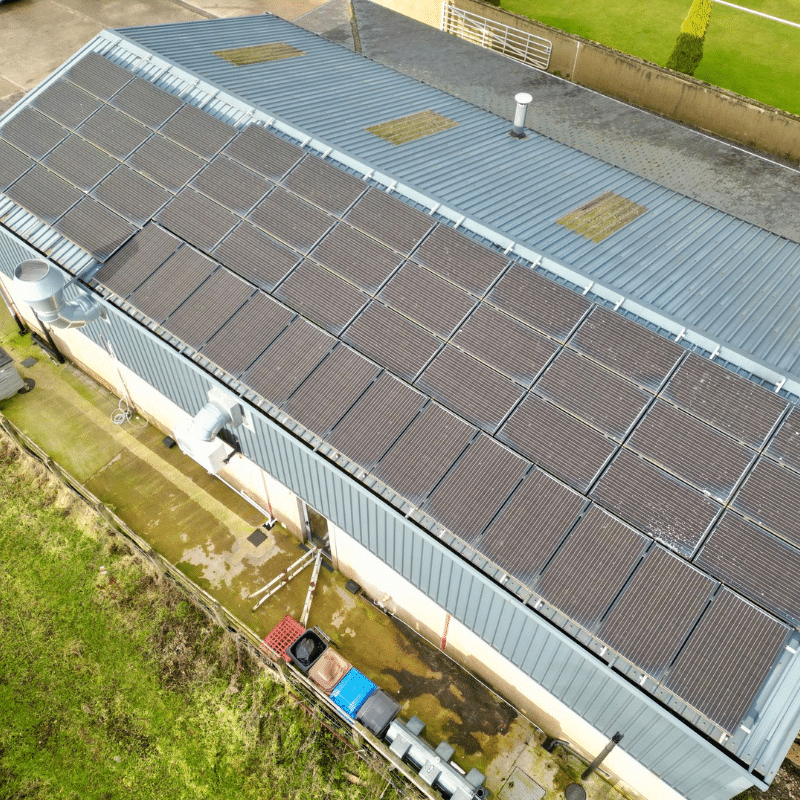
In 2021, we expanded an existing 10 kW solar PV system by adding a further 30 kW of premium solar, increasing total installed capacity to 40 kW. This immediately reduced daytime grid import and delivered a noticeable drop in electricity spend.
In 2024, the system was further optimised with the installation of 42 kWh of Sigenergy SigenStor battery storage, alongside a full backup system and gateway. This allowed batteries to be charged overnight on a lower-cost Economy 7 tariff, with stored energy then used during peak daytime operation.
The backup capability was designed to automatically maintain power to critical refrigeration systems during outages, protecting stock and preventing operational disruption.
Why This Worked:
Rather than installing a pre-packaged system, the solution was designed around how the building actually operates. By combining solar generation, battery storage, tariff optimisation and backup protection, the system delivers reliable performance, financial savings and long-term value.This design-led approach ensures systems don’t just look good on paper — they work properly in real-world conditions.
%
Approx. 70% reduction in total energy spend
This resulted in £18,000–£19,000 in annual savings.
Key Results & Outcomes
Annual electricity costs reduced from ~£26,000 to ~£8,500
Approx. 70% reduction in total energy spend £18,000–£19,000 in annual savings
Battery storage enables off-peak charging on Economy 7 tariffs
Full backup capability protects refrigeration during outages
Projected net gain of ~£300,000 over 20 years
Project Overview
Tasty Grub Club operates a busy ready-meal production kitchen with large, steady electrical loads. Ovens, blast chillers, walk-in refrigeration, extraction systems and prep equipment run most days, making energy costs a critical factor in a tight-margin food business.
With rising electricity prices putting pressure on operating costs, the goal was to reduce grid import, improve cost certainty, and protect critical refrigeration systems from power disruption — without compromising day-to-day operations.
Background:
Sector: Commercial food production
Location: Northern Ireland
System Type: Solar PV, Battery Storage & Backup
Total Solar Capacity: 40 kW
Battery Storage: 42 kWh (Sigenergy SigenStor)
Tasty Grub Club Goal:
Tasty Grub Club set out to modernise how energy was managed in a high demand production kitchen.All while keeping day-to-day operations running seamlessly.
The Challenge:
The site’s electrical demand was both high and consistent, with most usage occurring during daytime production hours. Any solution needed to:
- Significantly reduce grid electricity costs
- Work around an existing solar installation
- Avoid disruption to a live production environment
- Protect critical refrigeration during power outages
- Deliver measurable long-term financial benefit
A standard “add panels and hope” approach wouldn’t be sufficient.
Key Results & Outcomes
Annual electricity costs reduced from ~£26,000 to ~£8,500
Battery storage enables off-peak charging on Economy 7 tariffs
Full backup capability protects refrigeration during outages
The Design Solution:
In 2021, we expanded an existing 10 kW solar PV system by adding a further 30 kW of premium solar, increasing total installed capacity to 40 kW. This immediately reduced daytime grid import and delivered a noticeable drop in electricity spend.
In 2024, the system was further optimised with the installation of 42 kWh of Sigenergy SigenStor battery storage, alongside a full backup system and gateway. This allowed batteries to be charged overnight on a lower-cost Economy 7 tariff, with stored energy then used during peak daytime operation.
The backup capability was designed to automatically maintain power to critical refrigeration systems during outages, protecting stock and preventing operational disruption.
Why This Worked:
Rather than installing a pre-packaged system, the solution was designed around how the building actually operates. By combining solar generation, battery storage, tariff optimisation and backup protection, the system delivers reliable performance, financial savings and long-term value.This design-led approach ensures systems don’t just look good on paper — they work properly in real-world conditions.
%
Approx. 70% reduction in total energy spend
This resulted in £18,000–£19,000 in annual savings.
A DESIGN-LED APPROACH TO RENEWABLES
Thinking About a Low-Energy System?
If you want to understand whether this approach suits your building, we’re happy to talk it through.
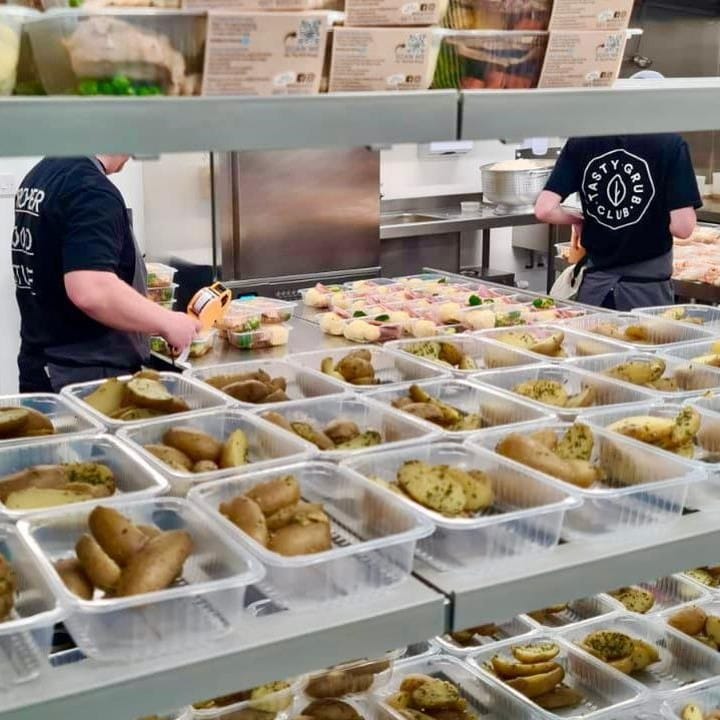
“Ready-meal production is a tight-margin business — every penny counts. Cutting our electricity costs by roughly 70% has been huge for us. Installing the solar, batteries and backup system was a complete game changer. Bills dropped, the kitchen runs smoother, and we don’t panic when the power flickers anymore.”
Chris Lamb
Executive Head Chef & Operations Manager